Vietnam Employment Compliance Guide: Stay Ahead in 2026

Vietnam’s employment laws are evolving fast, and for any company looking to expand or operate here, staying ahead is not just a legal requirement but a strategic advantage. The landscape of Vietnam employment compliance is shifting, and missing even a single update could put your business at risk of fines or operational setbacks.
In this guide, I’ll break down exactly what you need to know for 2026. We’ll explore the legal frameworks shaping compliance, the nuts and bolts of hiring and payroll, how to keep your contracts airtight, and why expert partners make a difference. If you want to manage teams confidently and avoid costly mistakes, you’re in the right place. Let’s get started and make your next move in Vietnam a smooth one.
Vietnam’s Evolving Employment Law Landscape
Navigating Vietnam employment compliance in 2026 is a journey shaped by shifting legal terrain and real-world complexity. As someone who has partnered with organizations through these changes, I know firsthand that understanding Vietnam’s regulatory landscape is the foundation for every successful expansion.
Overview of Key Regulatory Bodies and Updates
The Ministry of Labour, Invalids and Social Affairs (MOLISA) is at the heart of employment regulation in Vietnam. MOLISA sets the tone for enforcement and policy, ensuring that both local and foreign employers align with national objectives.
The Labour Code 2019 remains the principal legal framework, but significant amendments are expected by 2026 to address market evolution and regional integration. Local investment laws often intersect with foreign investment regulations, so compliance strategies must be tailored to business structure.
Recent years have seen increased government scrutiny, especially in sectors with high foreign investment. Staying ahead in Vietnam employment compliance means tracking these enforcement trends and understanding where the government is placing its focus.
Major 2026 Legislative Changes Impacting Employers
Employers should prepare for a new wave of legislative updates in 2026. Anticipated changes include adjustments to minimum wage bands across regions, stricter limits on working hours, and revised overtime calculations. Social insurance and health coverage requirements are also expanding, with new contribution rates and mandatory coverage for broader employee categories.
Fixed-term contracts will face tighter restrictions, with probation periods capped more strictly by job type. Data protection and employee privacy rules are evolving, requiring more transparency in handling personal information. For a full regional perspective on these changes, including how they fit into a broader compliance strategy, the 2026 APAC employment law changes guide is a must-read.
With each update, the stakes for Vietnam employment compliance rise. Employers who proactively adapt their policies and documentation will find smoother paths to growth.
Common Compliance Pitfalls for Foreign Employers
Even experienced HR teams can stumble on common pitfalls in Vietnam employment compliance. Misclassifying employees as independent contractors is a frequent misstep, often leading to costly fines and back-pay obligations. Inadequate contract documentation—such as missing mandatory clauses or failing to provide Vietnamese translations—can invalidate agreements.
Failure to register employees for social insurance on time not only risks penalties but can also damage trust with your workforce. Non-compliance with working hour restrictions is another area of frequent enforcement, especially in manufacturing and tech sectors.
Consider this: In 2023, several foreign-owned companies faced audits resulting in substantial fines for late or incomplete social insurance registration. These cases highlight why attention to detail is non-negotiable. For those building teams in Vietnam, every step of Vietnam employment compliance should be double-checked, documented, and reviewed by local experts.
Step-by-Step: Hiring and Onboarding Employees in Vietnam
Hiring and onboarding in Vietnam can feel daunting, especially with so many moving parts and evolving rules. Getting it right is not just about legal compliance, it’s about setting up your team for long-term success. Based on years of hands-on experience, here’s how to navigate each critical step of Vietnam employment compliance.
Step 1: Drafting Legally Compliant Employment Contracts
The foundation of Vietnam employment compliance starts with a solid contract. Every employment contract in Vietnam must include details like job description, salary, benefits, working hours, and the contract’s duration. Failing to include even one can trigger disputes or fines.
You need to decide between Vietnamese-only contracts or bilingual versions. While bilingual contracts are common for foreign employers, the Vietnamese version will always take precedence in court. Since July 2026, electronic contracts are fully recognized, but you must follow government rules for digital signatures and centralized filing. For a deeper dive into what’s required, the Vietnam hiring and expansion guide is an excellent resource.
A few best practices: always update templates as laws change, clarify probation terms, and ensure all parties sign before onboarding.
Step 2: Navigating Probation and Onboarding Rules
Probation periods in Vietnam are tightly regulated, forming a key part of Vietnam employment compliance. For most roles, probation can last up to 60 days, but for technical or managerial jobs, it can extend to 180 days. Exceeding these limits is a common compliance error.
During onboarding, collect all required documents—identity papers, degrees, health checks, and work permits for expats. You must also notify local labor authorities about new hires, often within 30 days. Missing these deadlines can result in administrative penalties.
Smooth onboarding also means providing clear job descriptions, orientation materials, and transparent communication about company policies. This sets expectations and reduces early attrition.
Step 3: Registering Employees for Social Insurance and Tax
Registering new employees for social, health, and unemployment insurance is non-negotiable under Vietnam employment compliance. The process starts by submitting registration forms to the Social Insurance Agency within 30 days of hire. Delays or errors here can lead to fines and loss of insurance coverage for staff.
Next, assign Personal Income Tax (PIT) codes and ensure monthly tax reporting. Common pitfalls include late registration, incorrect salary reporting, or failing to include all allowances in taxable income. Double-check every detail and keep detailed records of all submissions.
If you’re handling expat hires, extra steps apply—like registering work permits and ensuring proper visa status.
Step 4: Adhering to Equal Opportunity and Anti-Discrimination Laws
Vietnam employment compliance also means creating a workplace where everyone has equal opportunity. The law protects against discrimination based on gender, disability, ethnicity, and more. Employers should implement written anti-discrimination and harassment policies, and provide regular training for staff.
Best practices include appointing a compliance officer, establishing a clear reporting channel for complaints, and documenting all investigations. Recent enforcement actions show that authorities are taking violations seriously, with fines and mandatory remediation.
By building a culture of respect and fairness, you not only meet legal requirements but also foster a healthier, more productive team.
Payroll, Compensation, and Benefits Compliance
Getting payroll and benefits right is the backbone of Vietnam employment compliance. It is not just about numbers on a spreadsheet. Every detail, from minimum wage to leave policies, can shape your team’s trust and keep your business out of hot water. Here is what you need to know for 2026.
Minimum Wage & Overtime Regulations for 2026
Vietnam’s minimum wage framework is set to change in January 2026. Employers must stay alert to the latest regional wage bands. For example, the government will introduce new minimum wage levels across four regions. These adjustments are outlined in Vietnam’s 2026 Minimum Wage Adjustments, which details the specific figures for each area.
Overtime rules are also tightening. The standard workweek remains capped at 48 hours, with overtime subject to strict daily and monthly limits. Overtime must be paid at premium rates, and rest day mandates are enforced. Failing to comply with wage or overtime laws can trigger steep penalties and damage your reputation, making it a critical part of Vietnam employment compliance.
Statutory Benefits: Social Insurance, Health, and Leave
Social insurance contributions are non-negotiable in Vietnam employment compliance. For 2026, both employer and employee rates are set by law, covering pensions, health, and unemployment. Registration with the Social Insurance Agency is mandatory for all employees, including expats.
Statutory leave is another area where companies stumble. Annual leave starts at 12 days, with additional days for seniority or hazardous work. Sick leave requires medical certification, while maternity and paternity leave are protected rights. Health insurance must cover both local and foreign staff, with clear documentation for every benefit provided.
Miss a contribution or shortchange an entitlement, and you risk audits or fines. Staying proactive is the only way to keep Vietnam employment compliance smooth and stress-free.
Payroll Processing, Reporting, and Audits
Monthly payroll cycles in Vietnam demand discipline. Each run must be documented, with payslips, contracts, and time records kept in order. Personal income tax (PIT) must be withheld and reported on time. Errors or late filings can lead to financial penalties or even government inspections.
Audits are not rare. Inspectors may ask to see payroll records, social insurance proof, and leave registers. Preparation is everything. At Agile, we help clients build audit-ready systems, so surprises are rare and compliance is routine. With strong processes, compliance in Vietnam becomes a foundation for growth, not a source of anxiety.
Ready to make compliance your competitive edge? Reach out to Agile for real-world support that keeps your payroll, benefits, and reporting watertight.
Workplace Safety, Employee Wellbeing, and Termination
Vietnam employment compliance is not just about paperwork, but about ensuring real people feel safe, supported, and treated fairly every day. In my experience, when you get these elements right, your teams thrive, and your risk drops dramatically. Let’s unpack what it means to truly protect and empower your workforce in Vietnam.
Occupational Health & Safety (OHS) Obligations
Workplace safety is a non-negotiable pillar compliance in Vietnam. The law requires every employer to provide a safe environment, and the authorities do not take shortcuts lightly. At Agile, we’ve seen firsthand how a single missed training session or incomplete safety log can lead to serious trouble.
Key OHS obligations include:
-
Mandatory annual safety training for all staff, tailored to each job’s risks.
-
Regular risk assessments and updated documentation, especially in manufacturing or high-risk sectors.
-
Immediate reporting of workplace accidents and illnesses to local authorities.
Recent years have seen a sharp uptick in OHS inspections and penalties. For example, government data shows a steady rise in workplace violations, particularly in sectors with rapid growth. Staying ahead means embedding safety into your daily culture, not just your compliance checklists.
Employers should review the Vietnam’s 2025 Employment Law Overview for updates on OHS standards and reporting rules. Robust OHS practices are essential for Vietnam employment compliance, especially as enforcement tightens.
Employee Wellbeing: Work-Life Balance and Mental Health
Supporting employee wellbeing is now a central part of Vietnam employment compliance. The law sets strict limits on working hours, overtime, and rest periods. But in practice, wellbeing goes further. It’s about creating a workplace where people feel respected and heard.
Legal mandates include:
-
Maximum weekly working hours, with required rest days.
-
Statutory annual leave and sick leave entitlements.
-
Newer attention to mental health, including access to support resources.
At Agile, we encourage clients to adopt wellness programs and regular feedback cycles. These small steps not only meet legal standards but also build loyalty and reduce turnover. In my experience, proactive wellbeing initiatives are the secret sauce for sustainable growth and smooth Vietnam employment compliance.
Lawful Termination and Redundancy Procedures
Ending an employment relationship in Vietnam can be complex. Lawful termination is a crucial area of Vietnam employment compliance, and mistakes here are costly. Grounds for dismissal are strictly defined—think misconduct, redundancy, or mutual agreement.
Here’s what every employer must nail:
-
Written notice periods, varying by contract type and tenure.
-
Accurate severance pay calculations, with supporting documentation.
-
Proper dispute resolution processes, including labor court procedures if needed.
Recent cases show that incomplete documentation or unclear communication almost always leads to disputes. At Agile, we support clients with templates and step-by-step guidance, so terminations are handled fairly and in full compliance.
Partnering for Compliance: The Value of Global Employment Providers
Expanding into Vietnam is an exciting step, but the regulatory landscape can feel like a maze. The right global employment partner makes all the difference. With local laws shifting rapidly, having a guide on the ground is not just helpful—it is essential. This section explores how expert partners help organizations master Vietnam employment compliance, minimize risk, and focus on what matters most: building a successful team.
How Expert Partners Streamline Vietnam Employment Compliance
Global employment providers do more than process payroll. They become your eyes and ears in Vietnam, translating complex labor codes into clear, practical steps. From drafting compliant contracts to keeping up with new electronic labor requirements, expert partners spot risks before they become costly mistakes. For example, with Vietnam mandating centralized electronic labor contracts in 2026, a trusted partner ensures your processes are up to date and fully compliant. To dive deeper, check out this Global EOR services for compliance article for a broader perspective on how EORs support Vietnam employment compliance worldwide.
Beyond documentation, the best partners help you respond quickly to regulatory changes, prepare for audits, and handle sensitive employee matters with confidence. Their local insight means fewer surprises and more time to grow your business.
AgileHRO: Your Trusted Partner for Vietnam Employment Compliance
At AgileHRO, we know the details of APAC employment laws are never one-size-fits-all. Our local teams work side-by-side with clients, translating legal requirements into real-world action. We handle every contract, payroll run, and benefit with precision, so you can focus on scaling up, not chasing paperwork.
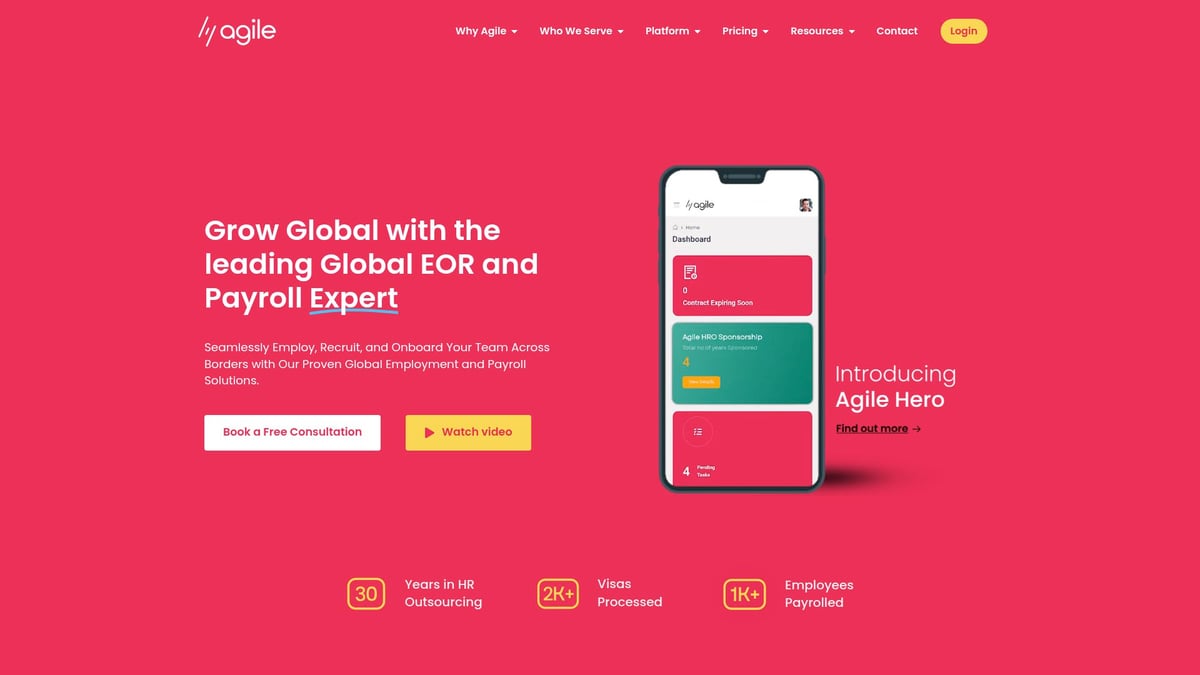
Recently, we helped a multinational client navigate new social insurance rules, avoiding penalties and ensuring every hire was registered on time. Our proactive monitoring means clients stay ahead of legislative shifts, never caught off guard by sudden enforcement. With Agile, peace of mind comes standard, and our track record speaks for itself.
Choosing the Right Partner: Key Considerations
Selecting a global employment partner is about more than ticking boxes. Start by asking: Does the provider have deep local legal expertise? Are their processes transparent and documented? Will they keep you updated on every employment law change?
Here are a few things to consider:
-
Do they offer clear, bilingual contracts?
-
How do they manage statutory benefits and tax filings?
-
Can they provide local references and real compliance success stories?
If you want a deeper dive into best practices for global hiring, our Ultimate global employment guide is a great place to start. Choose wisely, and you will turn compliance from a headache into a strategic advantage.
Future Trends: Preparing for Vietnam’s Employment Landscape Beyond 2026
Change is the only constant in Vietnam, I’ve watched the pace of transformation accelerate every year, and 2026 is shaping up to be a watershed moment. From digital HR tools to new regulations around employee rights, staying ahead means understanding not just what’s coming, but how to adapt with confidence. Let’s explore the trends that will define the future of work in Vietnam.
Digital Transformation and HR Tech Adoption
The HR landscape in Vietnam is going digital at record speed. E-signatures, digital onboarding platforms, and cloud-based payroll systems are quickly becoming the new normal. For employers, these tools don’t just boost efficiency, they’re fast becoming compliance essentials.
The government is playing a direct role in this shift. By July 2026, all labor contracts must be managed through centralized electronic systems. This isn’t just a suggestion—it’s a mandate, with Mandatory Electronic Labor Contracts in Vietnam setting out strict requirements for employers. If you’re not ready, you risk fines and operational headaches.
At AgileHRO, we’ve helped clients switch to compliant digital contracts, smoothing out the transition and ensuring every step matches vietnam employment standards. Our advice? Start digitizing HR processes now, so you’re not scrambling to catch up when the rules go live.
Increasing Focus on ESG and Employee Rights
Vietnam’s workforce is demanding more than just a paycheck. There’s a rising tide of expectations around environmental, social, and governance (ESG) practices. New standards are emerging for workplace safety, fair treatment, and employee voice—especially as global trends influence local legislation.
Expect to see stronger whistleblower protections, enhanced anti-discrimination laws, and expanded coverage in areas like unemployment benefits. The 2026 employment law is poised to introduce sweeping changes, reflecting a broader commitment to employee rights and wellbeing. Companies that proactively embed these values into their operations will stand out, both to regulators and talent.
Staying compliant here isn’t just about ticking boxes. It’s about creating a culture where everyone feels protected and heard.
Strategies to Stay Ahead of Compliance Changes
Adapting to the future means building agility into your compliance strategy. Here’s how we guide clients at Agile:
-
Develop an agile compliance framework: Regularly review policies and adapt to new regulations.
-
Invest in ongoing training: Keep HR and leadership teams updated on the latest legal changes.
-
Leverage expert partners: Trust local experts to provide real-time guidance and support.
A proactive approach to Vietnam employment compliance is your best defense against costly missteps. At Agile, we don’t just react to changes—we anticipate them, helping you stay ahead and focused on growth. Ready to future-proof your team? Let’s make compliance your competitive advantage.
As you’ve seen, navigating Vietnam’s fast-changing employment landscape can feel overwhelming—especially when you just want to focus on building a great team and growing your business. I’ve worked with leaders who were unsure about new payroll rules or worried about missing a critical update, and I know how much peace of mind comes from having expert support.
If you want to stay ahead of compliance in 2026 and beyond, let’s make it easy together. You don’t have to figure it all out alone—Talk to an Expert and discover how Agile can help you hire and manage teams in Vietnam with confidence.