How to Set Up an Entity in Malaysia: Expert Guide 2026

Malaysia’s rise as a business gateway in Southeast Asia is impossible to ignore. In 2026, record growth and a welcoming regulatory climate make it a magnet for global founders, HR leaders, and ambitious companies.
If you’re wondering how to set up an entity in Malaysia, you’re in the right place. This guide unpacks the realities of launching in Malaysia—no jargon, just clear, up-to-date steps from someone who’s done it.
At Agile, we’ve seen firsthand how the right knowledge can mean the difference between smooth entry and unexpected hurdles. That’s why we’ve built this guide to equip you with practical, compliant strategies for company formation.
You’ll find a breakdown of business entity types, legal requirements, a step-by-step setup process, compliance essentials, and real-world best practices. Ready to make Malaysia your next success story? Let’s dive in.
Understanding Entity Types in Malaysia
Setting up shop in Malaysia starts with a single, crucial question: what kind of entity fits your business? Choosing wisely shapes everything from your tax bill to your day-to-day risks. Let’s break down what’s on the menu.
Overview of Business Entities
Malaysia’s business landscape offers a variety of entity types, each with its own strengths and quirks. The Private Limited Company (Sdn Bhd) is the go-to for most founders, offering limited liability and a clear separation between personal and business assets. Sole Proprietorships are simple to launch but come with unlimited liability, putting personal wealth on the line.
Partnerships let two or more people share responsibilities and profits, while Limited Liability Partnerships (LLP) blend partnership flexibility with company-style protection. For foreign players, Branch Offices and Representative Offices open doors to the market, though with distinct legal and tax implications.
Each sector tends to favor certain entities. Tech startups often opt for Sdn Bhd to attract investors, while small retailers stick with sole proprietorships for simplicity. For a detailed comparison, see this Types of Business Entities in Malaysia guide.
Choosing the Right Entity for Your Business Goals
Choosing how to set up an entity in Malaysia depends on your ambitions and risk appetite. Ownership structure is critical: Sdn Bhd supports multiple shareholders and foreign ownership, while sole proprietorship is a one-person show. Capital requirements also differ; some entities have minimum paid-up capital rules.
Tax implications can make or break your decision. Sdn Bhd enjoys corporate tax rates and incentives, while partnerships and sole proprietorships pay personal tax rates. Foreign ownership rules have eased for many sectors, but some industries still have restrictions.
Let’s take a real-world example. A tech startup, aiming for global investors, benefits from a Sdn Bhd. Meanwhile, a manufacturing firm eyeing government incentives may choose an LLP or Sdn Bhd, depending on 2026 regulatory updates.
Regulatory Landscape and Key Authorities
Every journey in how to set up an entity in Malaysia runs through the Companies Commission of Malaysia (SSM). SSM is your registration gatekeeper, while agencies like MIDA and MITI set sector-specific rules and incentives. The past few years have seen real business-friendly reforms, with digital incorporation and simplified compliance rolled out between 2024 and 2026.
Malaysia’s numbers tell the story: over 65,000 new companies registered in 2025 alone, a testament to the country’s appeal. Still, regulatory hurdles crop up, like delays from incomplete submissions or confusion over local director requirements. Most entities must appoint at least one resident director, a step that trips up many foreign founders.
Anticipating these hurdles is half the battle. Engaging local advisors early can save time and headaches, especially if you’re new to how to set up an entity in Malaysia. The right partner helps you navigate documentation, stay compliant, and adapt as regulations evolve.
Step-by-Step Process to Set Up an Entity in Malaysia
Setting up a company in Malaysia is a milestone that unlocks access to a dynamic, rapidly growing market. From my years in global HR and payroll, I know that the process can feel daunting at first. But with the right roadmap, you can turn complexity into clarity. Here’s how to set up an entity in Malaysia, step by step, and avoid common missteps along the way.
Pre-Registration: Planning and Preparation
Every successful market entry starts with solid groundwork. If you’re wondering how to set up an entity in Malaysia, begin with deep market research. Understand your target sector, competition, and customer needs.
Next, decide which entity type best aligns with your goals. Whether you choose a Private Limited Company (Sdn Bhd), Partnership, or another structure, weigh factors like ownership, liability, and compliance.
Reserve your company name early using the SSM MyCoID portal. Prepare essential documents: company constitution, director and shareholder details, and a local business address. For most entities, a minimum paid-up capital is required (often RM1 for Sdn Bhd, but more for regulated industries).
If you’re new to Malaysia, consider engaging a trusted local advisor. They can help you navigate documentation, legal requirements, and language differences. Remember, the planning stage is your foundation—get it right and the rest will follow smoothly.
Registration and Incorporation
Digital transformation has made registration easier than ever. Submit your application through the MyCoID portal, following the official Company Registration Process in Malaysia for the latest steps and requirements. This is a critical stage in how to set up an entity in Malaysia, so accuracy matters.
Appoint at least one local director and a licensed company secretary. Each must meet residency and eligibility criteria. You’ll also need to determine your shareholding structure and submit statutory declarations confirming compliance.
Registration fees in 2026 generally range from RM1,000 to RM5,000, depending on your paid-up capital and entity type. The process usually takes 3 to 7 working days if all documentation is in order.
Before incorporation is confirmed, SSM will conduct compliance checks. Any errors or omissions can cause delays, so double-check every detail before submission.
Post-Incorporation Essentials
Once you receive your Certificate of Incorporation, the journey isn’t over. The next steps in how to set up an entity in Malaysia are just as important for operational success.
Open a corporate bank account—this requires your incorporation documents, board resolutions, and KYC forms. Register with the Inland Revenue Board (LHDN) for tax, and enroll your company with EPF, SOCSO, and, if relevant, EIS for statutory employee contributions.
Depending on your sector, you may need business licenses or permits before trading. Set up reliable accounting and payroll systems to ensure compliance from day one. Hold your first board meeting to adopt key resolutions and appoint signatories.
By methodically ticking off these post-incorporation steps, you’ll lay the groundwork for smooth business operations and long-term compliance.
Common Pitfalls and How to Avoid Them
Even with the best intentions, it’s easy to stumble during setup. One of the top mistakes in how to set up an entity in Malaysia is submitting incomplete or inconsistent documentation, which leads to frustrating delays.
Choosing the wrong entity type can expose you to unnecessary risk or tax burdens. Always consult with local experts before making this decision. Overlooking local compliance—such as not appointing a resident director or missing statutory registrations—can trigger penalties.
Banking often surprises foreign owners. Some banks require in-person signatories or additional KYC checks, so plan accordingly. I’ve seen teams resolve these challenges by preparing documents thoroughly and leveraging local partnerships.
If you approach setup with a clear process and trusted support, you’ll sidestep common traps and set your Malaysian entity up for success.
Compliance, Taxation, and Ongoing Obligations
Understanding compliance in Malaysia isn’t just about ticking boxes. It’s about building trust, avoiding penalties, and giving your new venture a solid foundation. If you’re wondering how to set up an entity in Malaysia, keeping up with annual requirements and tax rules is just as critical as the initial registration. Let’s break down what you need to know, straight from real-world operator experience.
Annual Filing and Reporting Requirements
Every entity has annual obligations. For a Private Limited Company (Sdn Bhd), these include filing annual returns and audited financial statements to the SSM. Missing deadlines can trigger fines or even risk deregistration.
Directors must keep shareholder records up to date. If you’re learning how to set up an entity in Malaysia, remember: late filings mean penalties, and mistakes can delay your business plans. Staying organized with reminders and a dedicated company secretary is essential.
Employment, Payroll, and Statutory Contributions
Hiring your first employee in Malaysia comes with fresh obligations. Register them with EPF, SOCSO, and EIS. Payroll must comply with minimum wage, overtime, and deduction rules.
Tax withholding (PCB/MTD) is your responsibility as an employer. It’s easy to slip up on new payroll regulations, especially with frequent updates across APAC. Staying current is possible by leveraging resources like the APAC payroll changes 2026 guide, which highlights what’s new and what to watch for. This is a crucial step in how to set up an entity in Malaysia and keep your team compliant from day one.
Navigating Malaysian Taxation
Tax in Malaysia is straight to the point, but details matter. Corporate income tax rates are competitive, with incentives for sectors like manufacturing and tech. Double taxation agreements mean your profits aren’t taxed twice if you’re cross-border.
Withholding tax applies to royalties and service fees paid abroad. If you’re a foreign owner figuring out how to set up an entity in Malaysia, incentives like MSC status or pioneer status can cut your tax bill. Always check if your sector qualifies, and consult with local advisors to avoid costly surprises.
Staying Ahead of Regulatory Changes
Malaysia’s business landscape evolves quickly. Monitoring updates from SSM, LHDN, and sector regulators is a must. At Agile, we recommend building relationships with legal and tax advisors who know the terrain.
Digital tools help track deadlines and compliance shifts. When you ask how to set up an entity in Malaysia, remember: ongoing vigilance is key. Stay proactive, lean on expert partners, and you’ll keep your business on the right side of the rules.
Ready to set up in Malaysia with confidence? At Agile, we make compliance and ongoing obligations part of your growth story.
Leveraging Expert Support for Seamless Entity Setup
Setting up a company in a new country can feel like navigating a maze. Even seasoned founders can get tripped up by Malaysia’s evolving rules or local nuances. That’s why, in my experience, knowing when to bring in the right local experts is critical to success.
When and Why to Engage Local Experts
Cross-border entity setup is rarely straightforward. Regulatory language, required documentation, and even cultural expectations can trip up even the most prepared global teams.
Engaging local legal, tax, and HR advisors gives you an edge. They help anticipate challenges, offer practical workarounds, and translate new rules into actionable steps. For example, I once worked with a US tech startup that tried to register as a Sdn Bhd on their own. Delays mounted when they misunderstood resident director requirements. After bringing in local counsel, they got registered in days, not weeks.
The cost of expert support is almost always outweighed by the time and risk it saves. For founders serious about how to set up an entity in Malaysia, this is not a luxury—it is a necessity.
How Agile HRO Simplifies Entity Setup in Malaysia
At AgileHRO, our team blends deep local insight with global HR tech, guiding you through every step. From SSM registration to banking, payroll, and ongoing compliance, our approach is hands-on and tailored.
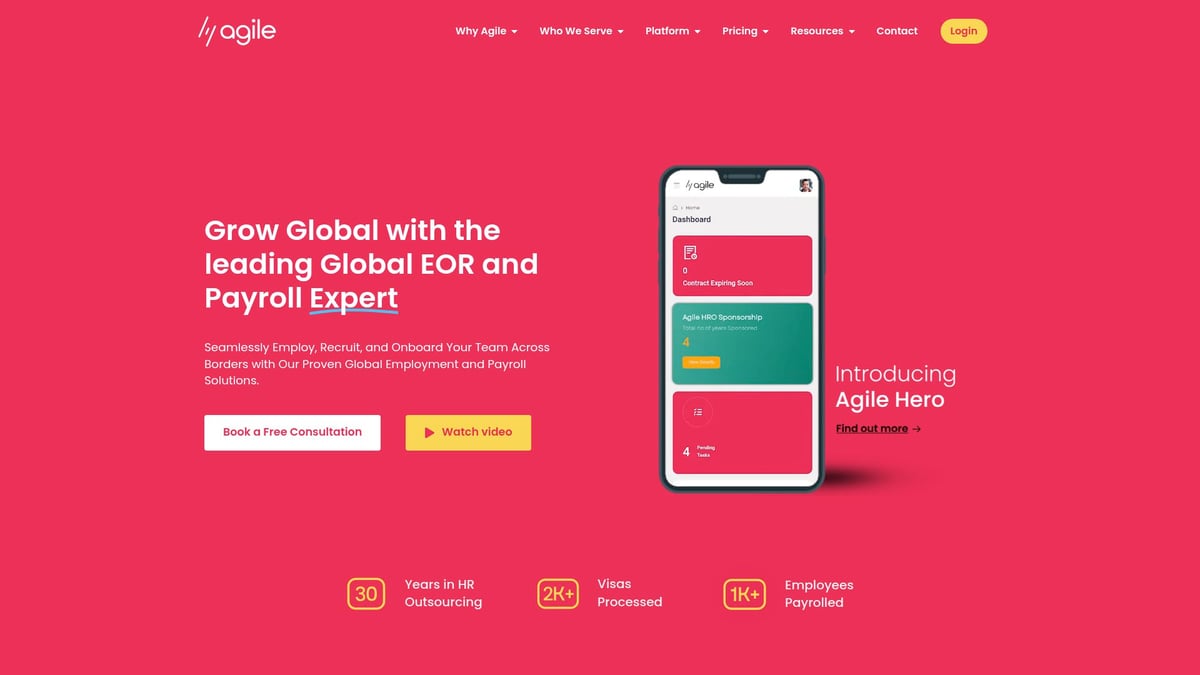
Our Employer of Record (EOR) and HR advisory solutions have helped clients launch in Malaysia up to 60 percent faster than industry averages. We handle the complexity so you can focus on growth. For a deeper dive into what EOR means for your expansion, check out our Global EOR services explained guide.
Global companies trust us because we make local hiring, onboarding, and payroll seamless. When you are figuring out how to set up an entity in Malaysia, you want a partner who can remove friction, not add to it.
Best Practices for a Smooth Market Entry
Every successful market entry I have seen shares a few common threads. Start with a clear expansion plan and realistic timeline. Prioritize these best practices:
- Ensure compliance is at the heart of your strategy from day one
- Build relationships with local stakeholders, not just authorities
- Invest in payroll and HR systems that scale with your team
- Use digital tools to streamline documentation and reporting
Most importantly, stay agile. Markets and regulations shift quickly. If you want to master how to set up an entity in Malaysia and thrive, adapt fast, listen locally, and never underestimate the value of expert support.
Let’s talk about your goals—at AgileHRO, we are ready to make your Malaysian expansion a reality.
Key Considerations for Foreign Investors and Multinationals
Expanding into Malaysia is a bold step for any multinational or investor. Yet, understanding how to set up an entity in Malaysia is just the beginning. The real advantage comes when you know the incentives, rules, and culture that shape success here.
Foreign Ownership and Investment Incentives
Malaysia’s 2026 rules on foreign shareholding are some of the most progressive in Southeast Asia. In many sectors, 100 percent foreign ownership is now possible, especially for tech, manufacturing, and export-driven services. At Agile, we see more clients choosing Malaysia thanks to these open policies.
But incentives matter just as much as access. MIDA offers tax holidays, Pioneer Status, and grants for high-impact industries. Manufacturing firms often benefit from longer tax breaks, while service sectors get support for digitalization and talent development.
Applying for incentives starts with MIDA, and the process is straightforward if your documents are in order. For a deeper dive into the latest rules and opportunities, check out the Foreign Investment Incentives in Malaysia guide.
Immigration, Visas, and Global Mobility
After ownership, the next big question is people. How do you bring in the right talent, legally and efficiently? Getting work permits and expatriate quotas in Malaysia is a process, but not an impossible one. Most foreign directors and skilled employees qualify for Employment Passes, provided your entity is compliant and the business case is clear.
Common challenges include quota limitations and document requirements. At Agile, we help clients prepare robust applications, anticipate delays, and ensure compliance with 2026 updates. It is not just about paperwork, but also about understanding the human side of mobility.
For a practical playbook on visas, relocation, and remote teams, our Global mobility and visas guide is packed with operator-level tips. If you are mapping out how to set up an entity in Malaysia with a global team, start with a clear visa and mobility strategy.
Banking, Currency, and Repatriation of Profits
Every international business asks: How do I move money in and out of Malaysia? Opening a corporate bank account requires your entity documents, KYC checks, and sometimes a resident director. Currency controls are manageable, but you must comply with Bank Negara Malaysia’s rules on MYR transactions and foreign currency repatriation.
Withholding tax applies on certain cross-border payments, like dividends and royalties. Structuring intercompany payments the right way is crucial. At Agile, we have seen clients avoid costly mistakes by getting this right from day one. When thinking about how to set up an entity in Malaysia, factor in banking timelines and compliance checks to keep operations smooth.
Cultural and Operational Integration
Finally, success in Malaysia is not just about compliance or incentives. It is about people and culture. Business etiquette here values respect, patience, and relationship-building. English is widely spoken, but understanding local customs goes a long way.
Building strong local networks and embracing diversity are essential. Many of our multinational clients thrive by hiring Malaysian talent, promoting inclusion, and investing in community partnerships. When you take the time to integrate, your journey from learning how to set up an entity in Malaysia to running a thriving operation becomes much smoother.
At Agile, we are ready to help you navigate every step of the process, from strategy to onboarding and beyond. Let’s make your Malaysia expansion a success—reach out to our team and get started today.
Stepping into the Malaysian market is both exciting and a little daunting—I know, because every founder or HR leader I’ve worked with had the same butterflies. But remember that story from earlier, where a tech company launched in Malaysia 60 faster with the right support? That’s proof that with the right guidance and local know how, you can turn complexity into opportunity.
If you’re ready to take the next step and want someone in your corner who’s navigated every twist and turn, why not Book a Consultation? We’d love to help you bring your vision to life, safely and smoothly.